

If you’re craving something fresh, vibrant, and totally satisfying for dinner tonight, I’ve got just the thing for you. This Healthy Vegetable Pasta Primavera Recipe is one of my absolute favorites because it’s loaded with colorful veggies, bright flavors, and comes together in a flash. Whether you’re a pasta lover or just trying to eat more veggies, this dish hits the spot every single time — plus, it’s perfect for those busy weeknights or even a casual weekend meal with friends.
Why You’ll Love This Recipe
- Loaded with fresh veggies: You get a rainbow of nutritious vegetables that makes the dish healthy and colorful.
- Quick and easy: It’s a breeze to whip up, perfect for weeknight dinners when you want something wholesome fast.
- Bright, fresh flavors: The lemon juice and fresh herbs really make this dish pop with vibrant taste.
- Versatile and customizable: You can swap veggies easily or add a little heat with red pepper flakes for your personal touch.

Ingredients You’ll Need
All the ingredients in this Healthy Vegetable Pasta Primavera Recipe come together to create a harmonious medley of textures and flavors. When shopping, look for fresh, seasonal produce for the best taste and nutrient punch.

- Penne pasta: I recommend penne because it holds the sauce and veggies beautifully, but feel free to use your favorite short pasta.
- Extra-virgin olive oil: Use a good quality EVOO for that fruity, peppery flavor — it really elevates the dish.
- Garlic cloves: Thinly sliced to infuse the oil with a rich aroma.
- Yellow squash: Adds a mild sweetness and beautiful color to your primavera.
- Zucchini: Pairs perfectly with the squash offering a tender bite.
- Asparagus: Look for firm, bright green stalks for the freshest flavor.
- Cherry tomatoes: Halved for bursts of natural sweetness and juiciness.
- Red onion: Thin slices add a subtle sharpness and crunch.
- Sea salt: Enhances all the flavors evenly without overpowering.
- Frozen peas: Thawed peas bring little pops of sweetness and vibrant color.
- Pecorino cheese: Grated for a salty, nutty finish that gently melts into the pasta.
- Fresh lemon juice: The secret weapon for brightness to wake up the whole dish.
- Red pepper flakes: Just a pinch to add a subtle heat if you like a gentle kick.
- Fresh basil leaves: Adds fresh herbal fragrance and flavor; don’t skip the garnish either!
- Fresh tarragon (optional): I discovered that adding tarragon adds a lovely anise-like note that makes this primavera truly special.
- Freshly ground black pepper: To taste, for that final layer of warmth.
Variations
I love making this Healthy Vegetable Pasta Primavera Recipe my own by swapping in whatever veggies I have on hand or tweaking seasonings. The flexibility is what keeps me coming back to it again and again.
- Seasonal vegetable swaps: When spring asparagus isn’t available, I use fresh green beans or broccoli florets — still vibrant and fresh!
- Protein boost: Sometimes I stir in cooked chicken or crispy chickpeas for a heartier meal.
- Dairy-free option: Replace pecorino with nutritional yeast or vegan cheese — still delivers a cheesy vibe.
- Spicy twist: I sprinkle in extra red pepper flakes or a dash of chili oil for when I want a little heat.
How to Make Healthy Vegetable Pasta Primavera Recipe
Step 1: Cook the pasta to perfection
Start by bringing a large pot of salted water to a boil. I always add enough salt so the water tastes like the sea — it helps flavor the pasta from the inside out. Cook your penne pasta according to package instructions until it’s al dente (you want a slight firmness to the bite). Drain the pasta, then toss it with a light drizzle of olive oil to keep it from sticking. Setting this aside means you’re ready to bring everything together after your veggies are perfectly sautéed.
Step 2: Sauté the garden-fresh vegetables
Heat 2 tablespoons of extra-virgin olive oil in a large, deep skillet over medium heat. Add the sliced garlic and cook gently just until fragrant — don’t let it brown or it will get bitter. Then toss in your yellow squash, zucchini, chopped asparagus, halved cherry tomatoes, sliced red onions, and a sprinkle of sea salt and freshly ground black pepper. Sauté everything for about 3 to 4 minutes, just until the vegetables become tender but still crisp and bright. This step is where the magic happens — the veggies soften just right while keeping that seasonal snap.
Step 3: Combine and finish with fresh herbs and cheese
Now add the cooked pasta and thawed peas to the skillet, along with the grated pecorino cheese, fresh lemon juice, and a pinch of red pepper flakes. Toss everything together gently so the cheese starts to melt and the flavors marry beautifully. Stir in the fresh basil leaves and optional tarragon, then taste and adjust the seasoning. This layering of fresh herbs and citrus truly makes this Healthy Vegetable Pasta Primavera Recipe sing.
Pro Tips for Making Healthy Vegetable Pasta Primavera Recipe
- Use freshly grated cheese: It melts better and tastes so much brighter than pre-shredded versions.
- Don’t overcook veggies: Keep the sauté time short so they stay colorful and maintain their slight crunch.
- Reserve some pasta water: If your mixture feels dry, a splash of starchy pasta water helps create a silky sauce.
- Add herbs last: Stir them in at the end to preserve their fresh flavor and vibrant color.
How to Serve Healthy Vegetable Pasta Primavera Recipe

Garnishes
I always finish this dish with extra fresh basil leaves because they add a lovely pop of green and an herbal fragrance that wakes up your senses. Sometimes I drizzle a little more extra-virgin olive oil over the top for richness or sprinkle on some finely grated pecorino for a cheesy flair. If I’m feeling fancy, a tiny pinch of lemon zest can elevate the flavors just right.
Side Dishes
Healthy Vegetable Pasta Primavera Recipe pairs well with a crisp green salad dressed lightly with lemon vinaigrette or crusty whole-grain bread to soak up the juices. Occasionally, I serve it alongside grilled chicken or a light fish dish to turn it into a more substantial meal.
Creative Ways to Present
For special occasions, I like to plate this primavera in shallow bowls, garnish with whole herb sprigs, and serve with lemon wedges on the side. You can also twirl the pasta into neat nests for a restaurant-style presentation that always impresses guests. Bright edible flowers on top add fun and flair!
Make Ahead and Storage
Storing Leftovers
I transfer leftovers into an airtight container and refrigerate them for up to 3 days. The veggies might soften a bit, but if you reheat carefully, you’ll still enjoy that fresh flavor. Adding a splash of water or olive oil before reheating helps keep the pasta from drying out.
Freezing
I don’t usually freeze this dish because the fresh veggies lose their crispness, but if you want to, freeze the pasta and sauce separately from the fresh herbs and cheese. Thaw gently in the fridge and add fresh basil after reheating to revive some brightness.
Reheating
Reheat leftovers in a skillet over low-medium heat, stirring frequently. Add a splash of pasta cooking water or olive oil to loosen things up. Avoid microwaving too long to prevent mushy veggies. Fresh herbs added after reheating make all the difference!
FAQs
-
Can I use other types of pasta for this recipe?
Absolutely! While penne is great for holding the vegetables and sauce, you can swap in farfalle, fusilli, or even spaghetti if that’s what you have on hand. Just be sure to cook the pasta al dente to maintain the right texture.
-
Is this recipe suitable for vegans?
To make this Healthy Vegetable Pasta Primavera Recipe vegan, simply replace the pecorino cheese with a dairy-free alternative like nutritional yeast or vegan parmesan. Using olive oil and fresh veggies keeps it plant-based and flavorful.
-
Can I meal prep this pasta for the week?
Yes, this pasta stores well for a few days in the fridge. I recommend keeping fresh herbs separate and adding them just before serving to maintain their color and flavor. Reheat gently to avoid overcooking the vegetables.
-
What’s the best way to keep the vegetables crisp?
Don’t overcook them! Sauté your vegetables just until they’re tender but still have a little bite. Keeping the sauté time to around 3-4 minutes helps preserve their texture and vibrant color.
Final Thoughts
This Healthy Vegetable Pasta Primavera Recipe is genuinely one of those meals that feels like a warm hug — simple, nutritious, and full of flavor. I love how effortlessly it turns everyday veggies into a star-studded dish my whole family goes crazy for. Give it a try next time you want a meal that’s wholesome, colorful, and ready in under 30 minutes. Trust me, you’ll want to keep this recipe in your weekly rotation!
Print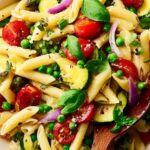
Healthy Vegetable Pasta Primavera Recipe
- Prep Time: 10 minutes
- Cook Time: 20 minutes
- Total Time: 30 minutes
- Yield: 4 servings
- Category: Main Course
- Method: Stovetop
- Cuisine: Italian
- Diet: Vegetarian
Description
This vibrant Pasta Primavera features tender penne pasta tossed with a medley of fresh spring vegetables, aromatic herbs, and a tangy lemon-pecorino dressing. Lightly sautéed zucchini, yellow squash, asparagus, cherry tomatoes, and red onion combine for a colorful and flavorful dish perfect for a fresh, seasonal dinner.
Ingredients
Pasta
- 10 ounces penne pasta
Vegetables & Aromatics
- 2 tablespoons extra-virgin olive oil (plus more for drizzling)
- 4 garlic cloves (sliced)
- 1 yellow squash (sliced into thin half-moons)
- 1 zucchini (sliced into thin half-moons)
- 1 bunch asparagus (chopped into 1-inch pieces)
- 1 cup cherry tomatoes (halved)
- 1 cup thinly sliced red onion
- ½ cup frozen peas (thawed)
Seasonings & Herbs
- 1 teaspoon sea salt
- Red pepper flakes (to taste)
- Freshly ground black pepper (to taste)
- 3 tablespoons fresh lemon juice
- 1 cup fresh basil leaves (plus more for garnish)
- ¼ cup fresh tarragon (optional)
Cheese
- ¾ cup grated pecorino cheese
Instructions
- Cook the Pasta: Bring a large pot of salted water to a boil. Add the penne pasta and cook according to package instructions until al dente. Drain the pasta and toss it with a drizzle of olive oil to prevent sticking.
- Sauté the Vegetables: Heat 2 tablespoons of extra-virgin olive oil in a large, deep skillet over medium heat. Add the sliced garlic, yellow squash, zucchini, asparagus, cherry tomatoes, thinly sliced red onion, sea salt, and several grinds of freshly ground black pepper. Sauté the vegetables for 3 to 4 minutes, stirring occasionally, until they are tender but still vibrant and slightly crisp.
- Combine Ingredients: Add the cooked pasta, thawed peas, grated pecorino cheese, fresh lemon juice, and a pinch of red pepper flakes to the skillet. Toss everything together gently to combine all the flavors and distribute the cheese evenly.
- Add Fresh Herbs: Stir in the fresh basil leaves and fresh tarragon, if using. Taste the dish and adjust seasoning with additional salt, black pepper, or red pepper flakes as desired.
- Serve: Garnish with more fresh basil leaves and drizzle a little extra olive oil on top before serving immediately for the freshest flavor.
Notes
- Packed with seasonal vegetables, this pasta primavera is an ideal light and fresh spring or summer dinner option.
- Tarragon is optional but highly recommended as it adds a delightful herbal complexity that elevates the dish.
- Be careful not to overcook the vegetables—aim for tender-crisp texture to keep the dish vibrant.
- Use freshly grated pecorino for best flavor and texture integration.
Nutrition
- Serving Size: 1 serving (about 1/4 recipe)
- Calories: 350 kcal
- Sugar: 5 g
- Sodium: 400 mg
- Fat: 14 g
- Saturated Fat: 4 g
- Unsaturated Fat: 10 g
- Trans Fat: 0 g
- Carbohydrates: 42 g
- Fiber: 6 g
- Protein: 12 g
- Cholesterol: 15 mg