
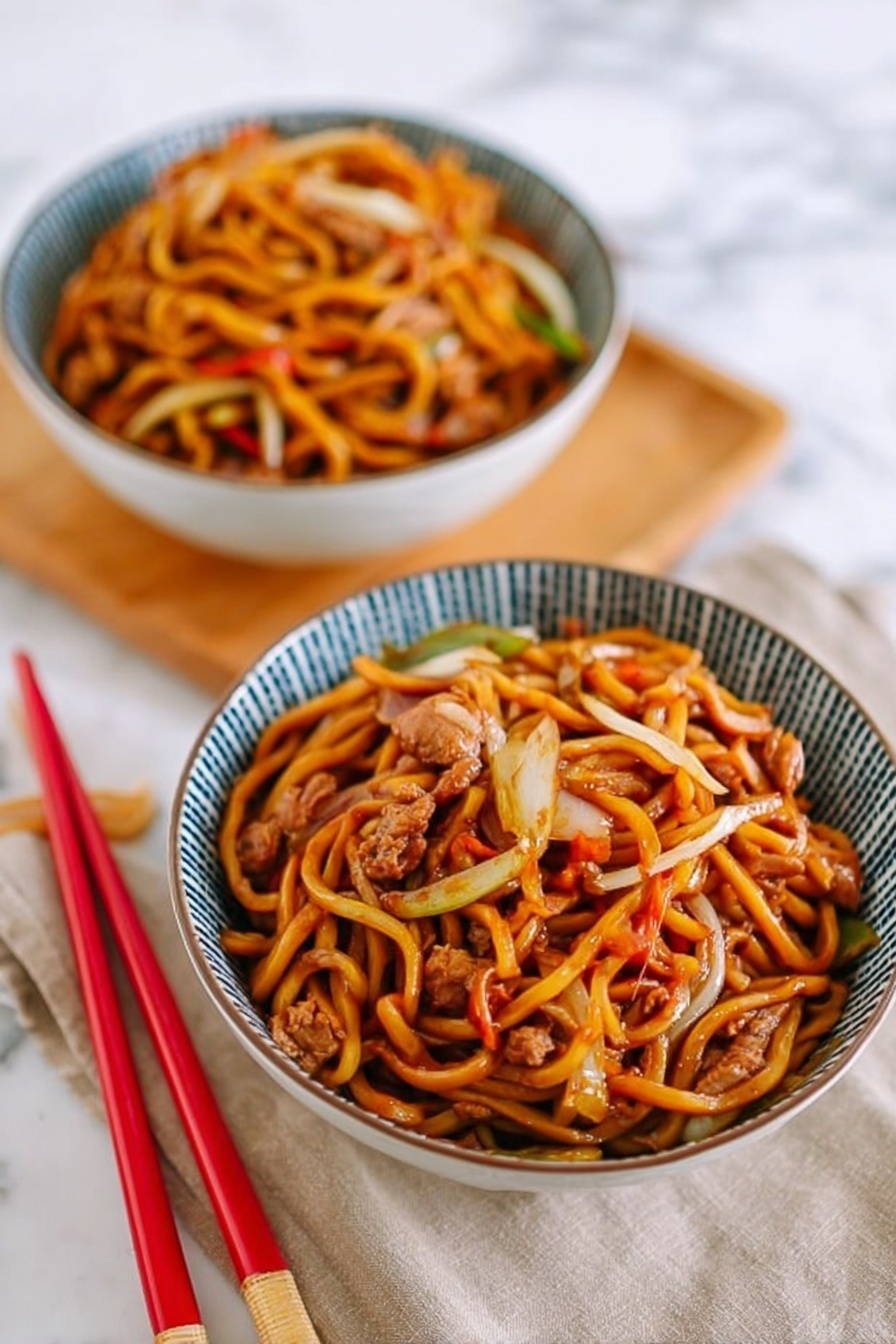
If you’ve ever craved the tender, flavorful, and perfectly saucy noodles from your favorite takeout spot, you’re going to fall in love with this Restaurant-Style Chicken Lo Mein Recipe. It’s seriously one of those dishes that feels fancy but comes together so quickly and easily at home. I remember the first time I made this—I thought, “Why have I been ordering out all this time?” It’s packed with fresh veggies, juicy chicken, and that addicting, savory soy-based sauce that you just want to slurp up. Trust me, stick with me here, because once you nail this recipe, you’ll be making it again and again, maybe even impressing your friends or family with your cooking skills!
Why You’ll Love This Recipe
- Authentic Flavor: The sauce blend has that perfect balance of saltiness, sweetness, and umami that mimics your favorite Chinese takeout.
- Simple Ingredients: You’ll find everything at your local grocery store, no exotic or hard-to-find sauces needed.
- Quick & Easy: Ready in about 30 minutes, making it a perfect weeknight winner.
- Versatile: Easily swap chicken for beef, shrimp, or tofu depending on what you have on hand.

Ingredients You’ll Need
The beauty of this Restaurant-Style Chicken Lo Mein Recipe lies in its simple, fresh ingredients. Each plays a role in creating that irresistible takeout flavor, so don’t skip the veggies or the special sauce components—they really make this dish sing!
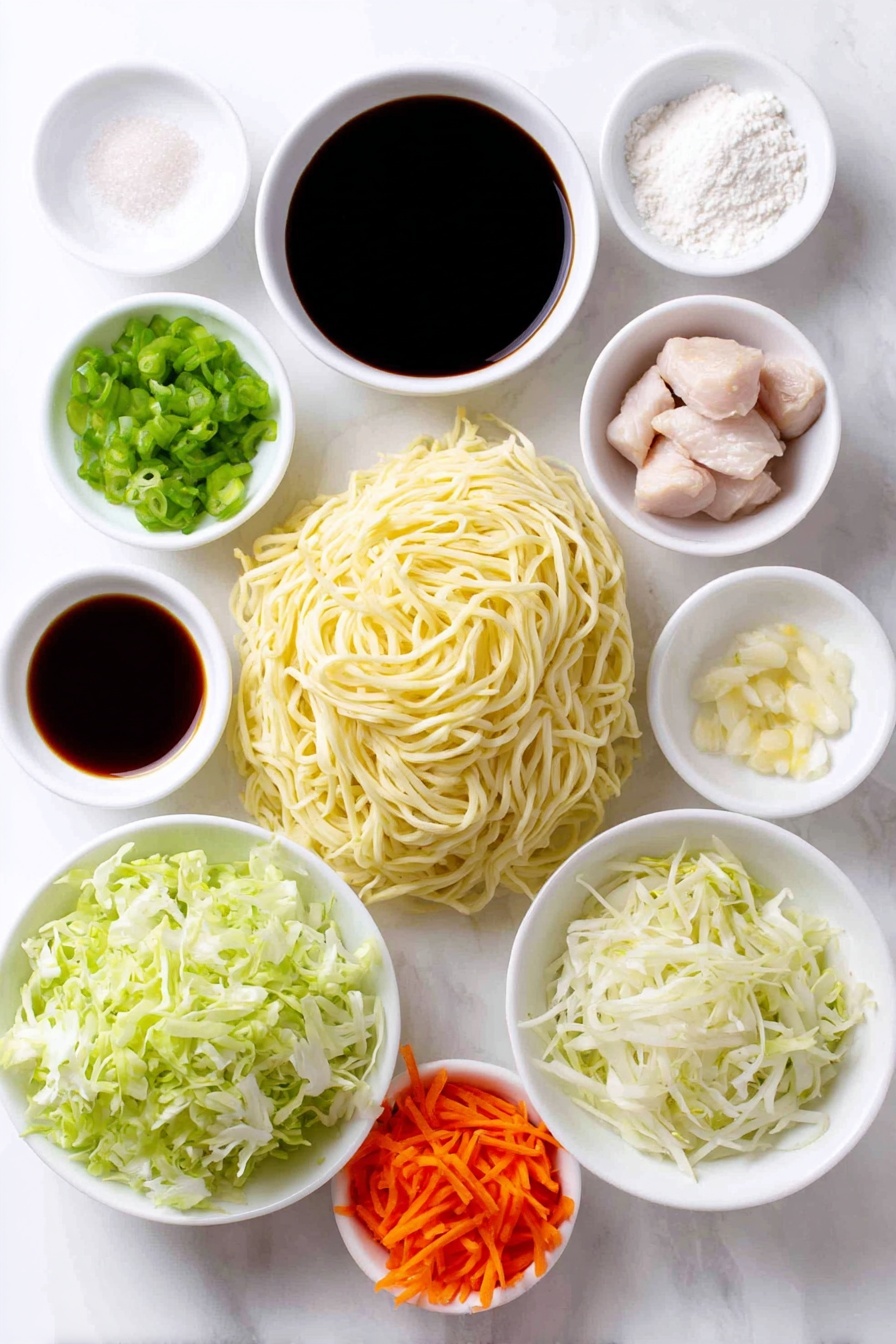
- Fresh lo mein egg noodles: Using fresh noodles gives you that authentic texture, but if you can only find dried, just boil them until tender.
- Boneless skinless chicken thighs: They stay juicy and tender better than breast, but feel free to use breast if that’s what you have.
- Cornstarch: This helps thicken the sauce and gives the chicken a nice glaze.
- Oil: A neutral oil works best for the stir-fry, plus a little sesame oil for that nutty aroma.
- Oyster sauce: Key to that umami-packed flavor, you’ll want to grab this—it’s worth it!
- Light and dark soy sauce: Light soy sauce adds saltiness and depth, while dark soy sauce brings color and a richer flavor.
- Garlic: Fresh minced garlic is essential for that fragrant base.
- Vegetables (cabbage, carrots, scallions, mung bean sprouts): A fresh crunchy mix that keeps the dish light and colorful.
- Shaoxing wine: This Chinese cooking wine lifts flavors beautifully, but dry sherry is a fine substitute.
- Seasonings (salt, sugar, white pepper): These small touches balance out the savory sauce perfectly.
Variations
While I stick to the classic chicken version most of the time, I love offering ideas for customizing your own version of this Restaurant-Style Chicken Lo Mein Recipe. Feel free to experiment and make it your own!
- Protein swaps: I’ve tried shrimp and tofu in place of chicken with great results—just adjust cooking times slightly.
- Vegetable upgrades: Adding bell peppers, snap peas, or baby corn adds pops of color and crunch that my family loves.
- Spice kick: Toss in some sliced fresh chili or a dash of chili oil if you want a bit of heat—perfect for spice lovers.
- Gluten-free option: Use gluten-free soy sauce and rice noodles instead of egg noodles to keep it safe and tasty.
How to Make Restaurant-Style Chicken Lo Mein Recipe
Step 1: Prep Your Noodles Like a Pro
First, figure out if your lo mein noodles are fresh pre-cooked or dried. If they’re dried, you’ll want to boil them until tender but not mushy (usually a minute or two less than package instructions). Drain and rinse with cold water to stop cooking. If fresh, just let them come to room temp before starting. This little step makes sure your noodles don’t clump and cook uniformly once in the wok.
Step 2: Marinate the Chicken
In a bowl, toss the chicken thighs with cornstarch, water, oil, and oyster sauce until evenly coated. This mixture seals in moisture and forms a slight glaze when cooked, keeping the chicken juicy and flavorful.
Step 3: Mix Your Sauce
In another bowl, dissolve salt and sugar in hot water. Then add your light and dark soy sauces, sesame oil, and white pepper. This combination is the secret to that rich, balanced sauce you want coating every strand of noodle.
Step 4: Cook Chicken and Veggies in the Wok
Heat your wok or large pan over high heat, add oil, and sear the chicken until browned but not fully cooked (about 2 minutes). Take it out and set aside. Add more oil, then toss in garlic for about 10 seconds—don’t let it burn! Quickly add cabbage and carrots, stir-frying for about a minute before splashing in shaoxing wine around the wok’s edge for that pop of flavor.
Step 5: Bring It All Together
Return the chicken and noodles to the wok. Drizzle your sauce mixture over everything and toss gently but thoroughly from the bottom up. After about 30 seconds, lower the heat to medium and cover the wok for one minute to let flavors meld.
If the noodles seem dry after uncovering, add a splash of water or stock and keep stir-frying until they look slippery and coated. Finally, stir in mung bean sprouts and scallions, cook one more minute, and you’re ready to serve.
Pro Tips for Making Restaurant-Style Chicken Lo Mein Recipe
- High Heat Cooking: I always crank my wok or pan to high to get that slightly charred wok hei flavor—just keep everything moving so nothing burns.
- Prep Everything Beforehand: Lo mein cooks fast, so chop all veggies and have your sauce ready to go to avoid scrambling.
- Don’t Overcrowd the Pan: If needed, cook chicken or veggies in batches to keep that perfect sear and crispness.
- Adjust Liquid as Needed: If your noodles start sticking together, adding a splash of water or stock keeps them silky and loose.
How to Serve Restaurant-Style Chicken Lo Mein Recipe
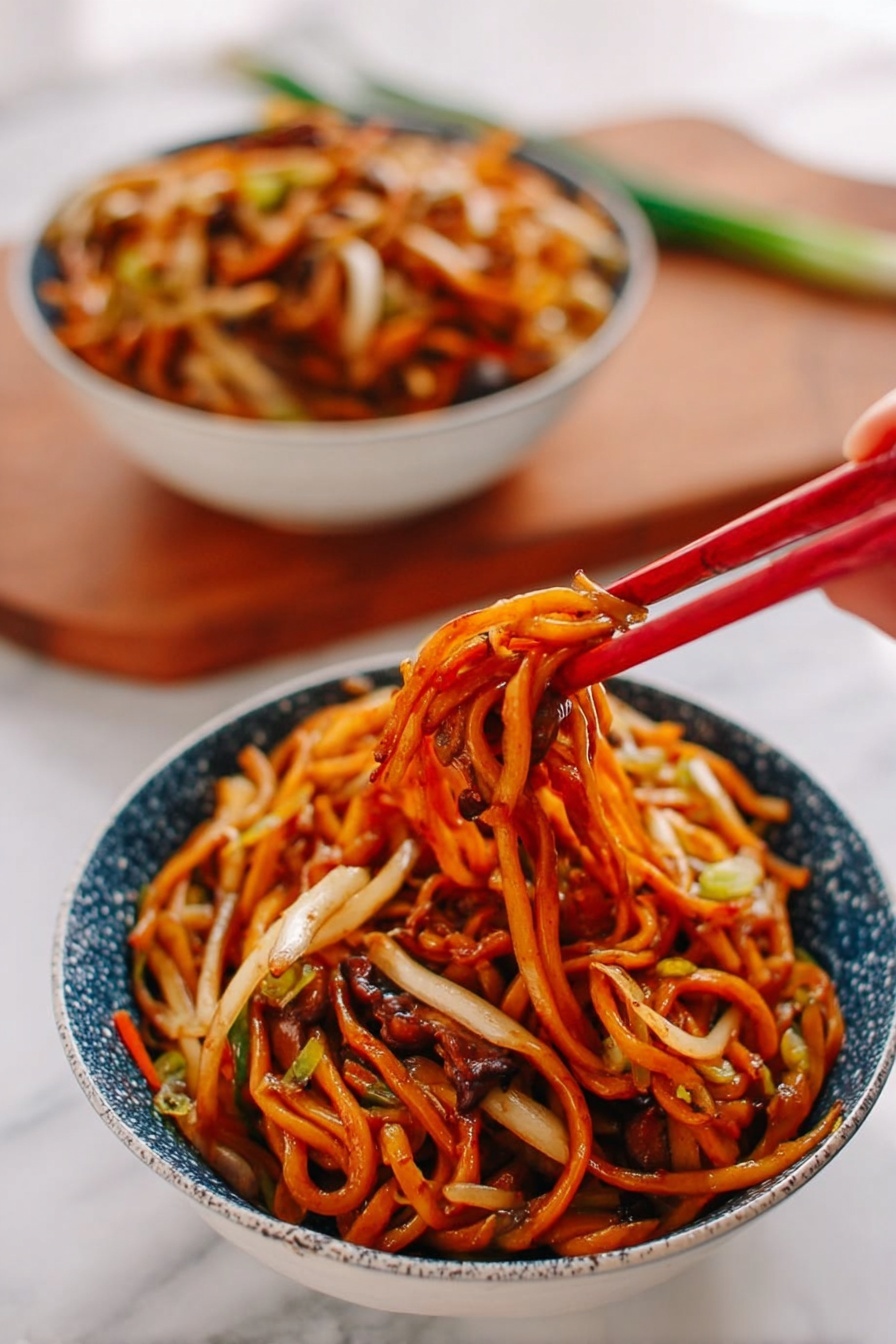
Garnishes
I love adding a sprinkle of toasted sesame seeds or a few extra fresh scallion rings on top for that final pop of texture and fresh onion flavor. A drizzle of chili oil or sriracha is also fantastic if you crave a little heat!
Side Dishes
Keep it simple with quick sides like steamed broccoli or snap peas tossed with garlic. Sometimes I serve it alongside classic hot and sour soup or potstickers to complete the meal.
Creative Ways to Present
For special dinners, I like serving this in individual shallow bowls garnished with scallions and a lime wedge on the side for a fresh zing. You can even pile it into lettuce cups for a fun handheld twist that impresses guests.
Make Ahead and Storage
Storing Leftovers
Once cooled, I store leftovers in an airtight container in the fridge. It keeps nicely for about 3-4 days. Just make sure to separate any extra sauce so noodles don’t get soggy if you can.
Freezing
I usually don’t freeze lo mein since the noodles can get mushy after thawing, but if you need to, freeze components separately—chicken and veggies in one container, noodles in another—to help preserve texture.
Reheating
Reheat leftovers in a hot skillet or wok with a splash of water or broth. This helps refresh the noodles and keeps them from drying out. Avoid microwaving when possible to maintain the best texture.
FAQs
-
Can I use chicken breast instead of thighs in this recipe?
Absolutely! Chicken breast works fine, just be careful not to overcook it because breast meat can dry out faster. Slice it thinly and cook quickly over high heat for best results.
-
What if I can’t find fresh lo mein noodles?
No worries! You can use dried egg noodles or spaghetti as a substitute. Just boil according to package instructions until al dente, then rinse with cold water to prevent sticking before stir-frying.
-
Is shaoxing wine necessary?
While shaoxing wine adds great depth, you can substitute dry sherry or even a splash of cooking sake if you don’t have it on hand. It really brightens the flavor but isn’t absolutely essential.
-
How do I prevent the noodles from getting mushy?
The key is not to overcook the noodles before stir-frying—boil just until tender but still firm. Also, stir-fry on high heat quickly, and don’t cover for too long to avoid trapping steam.
Final Thoughts
I absolutely love how this Restaurant-Style Chicken Lo Mein Recipe comes together faster than ordering takeout and tastes even better. It’s become my go-to for busy nights when I want something comforting but homemade. Once you follow these steps, you’ll understand why I can’t stop making it—and I hope it becomes a favorite for you and your loved ones too. So grab your wok, get those noodles ready, and let’s bring that restaurant magic right into your own kitchen. You’re going to love it!
Print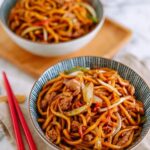
Restaurant-Style Chicken Lo Mein Recipe
- Prep Time: 20 minutes
- Cook Time: 10 minutes
- Total Time: 30 minutes
- Yield: 6 servings
- Category: Main Dish
- Method: Stovetop
- Cuisine: Chinese
Description
This restaurant-style chicken lo mein is a flavorful and easy-to-make dish featuring tender chicken thigh strips stir-fried with fresh egg noodles, crunchy vegetables, and a savory soy-based sauce. Perfect for a quick dinner, this recipe delivers the authentic taste of classic Chinese takeout right at home.
Ingredients
Noodles and Chicken
- 1 pound fresh lo mein egg noodles
- 8 oz. boneless skinless chicken thighs or chicken breast, cut into thin strips
- 2 teaspoons cornstarch
- 2 teaspoons water
- 2 teaspoons oil, plus more for cooking
- 1 teaspoon oyster sauce
Sauce
- 2 tablespoons hot water
- 1/8 teaspoon salt
- 1/8 teaspoon sugar
- 1 tablespoon light soy sauce
- 4 teaspoons dark soy sauce
- 1 teaspoon sesame oil
- 1/8 teaspoon white pepper
Vegetables and Aromatics
- 1 clove garlic, minced
- 4 cups shredded cabbage
- 2 medium carrots, julienned (about 1 1/2 cups)
- 1 tablespoon Shaoxing wine
- 2 cups mung bean sprouts
- 2 scallions, julienned
Instructions
- Prepare the noodles: Determine whether your lo mein noodles are raw or pre-cooked. If raw, boil them according to package instructions before stir-frying. If pre-cooked, let them come to room temperature. This ensures the noodles cook evenly and don’t clump.
- Marinate the chicken: In a medium bowl, combine the chicken strips with cornstarch, water, oil, and oyster sauce. Mix well to coat the chicken evenly, which helps achieve a tender texture when stir-fried.
- Mix the sauce: In a separate bowl, dissolve salt and sugar in hot water. Then add light soy sauce, dark soy sauce, sesame oil, and white pepper. Stir well to combine all flavors.
- Cook the chicken: Heat 2 tablespoons of oil in a wok over high heat. Sear the marinated chicken strips for a couple of minutes until browned and cooked through. Remove the chicken from the wok and set aside to keep warm.
- Stir-fry the vegetables: Add a couple more tablespoons of oil to the wok. Add minced garlic and stir for about 10 seconds until fragrant. Then add shredded cabbage and julienned carrots. Stir-fry over high heat for one minute. Pour Shaoxing wine in a circle around the edge of the wok to add depth of flavor.
- Combine noodles and chicken: Return the cooked chicken and noodles to the wok. Pour the prepared sauce mixture over the noodles. Toss thoroughly from the bottom up for about 30 seconds to evenly coat everything.
- Steam and finish: Reduce heat to medium, cover the wok, and let it steam for one minute. Remove the lid, stir-fry the noodles again. If they seem dry, add 1/4 cup of water or stock and continue stir-frying until noodles are loose, slippery, and heated through.
- Add bean sprouts and scallions: Toss in the mung bean sprouts and julienned scallions. Stir-fry for an additional minute to incorporate their freshness and crispness. Serve immediately.
Notes
- This chicken lo mein recipe is surprisingly easy to make at home and tastes even better than most takeout versions.
- Using fresh egg noodles and chicken thighs adds excellent texture and flavor, but chicken breast can be substituted for a leaner option.
- Shaoxing wine can be replaced with dry sherry if unavailable, but it adds authentic depth to the dish.
- Adjust soy sauce amounts to taste for desired saltiness.
- For a vegetarian version, omit chicken and increase vegetables or use tofu.
Nutrition
- Serving Size: 1 serving
- Calories: 306 kcal
- Sugar: 4 g
- Sodium: 502 mg
- Fat: 5 g
- Saturated Fat: 1 g
- Unsaturated Fat: 4 g
- Trans Fat: 0 g
- Carbohydrates: 42 g
- Fiber: 3 g
- Protein: 13 g
- Cholesterol: 58 mg